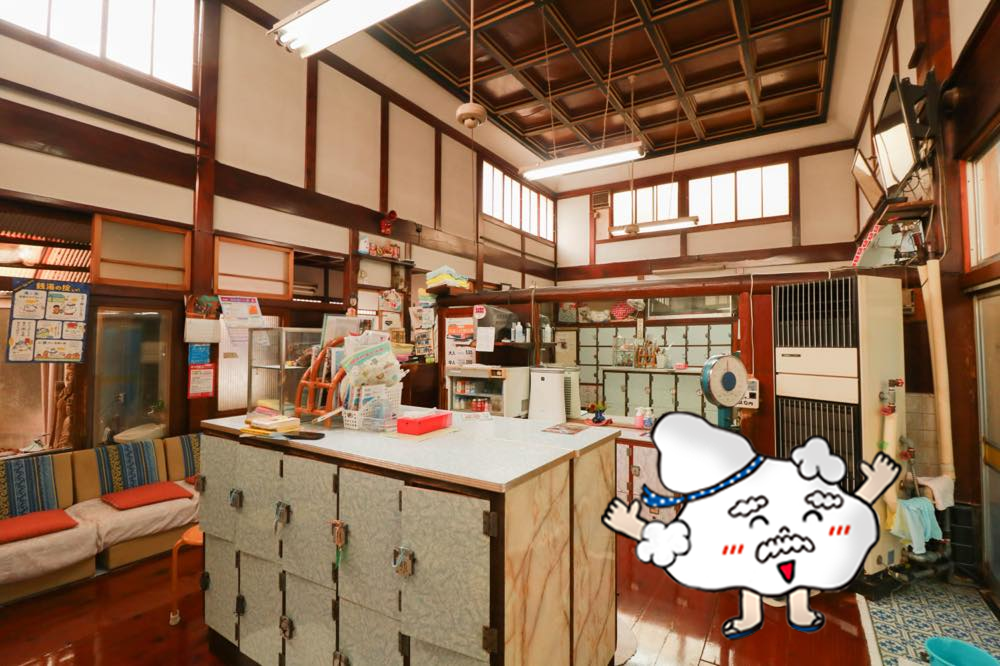
After arrival: shoe locker → ticket machine → front desk
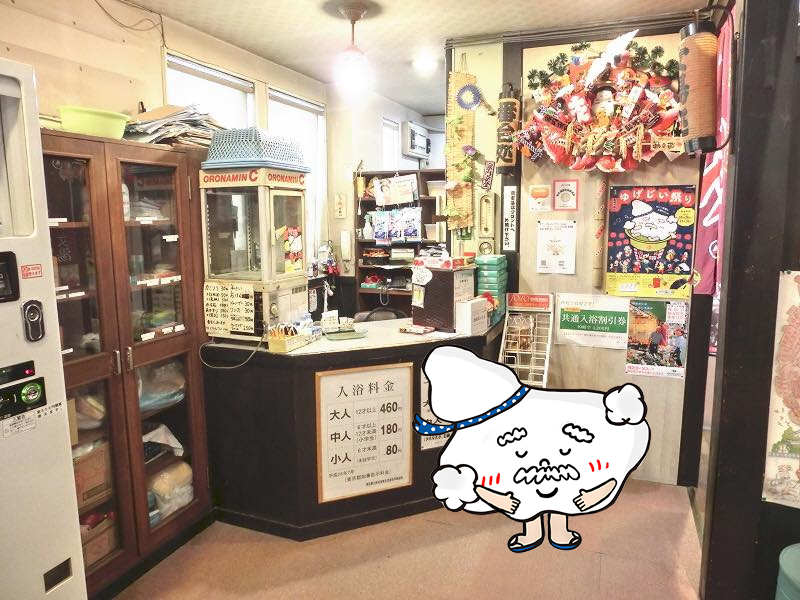
More and more facilities are now accepting cashless payments (transportation IC cards, credit cards, QR codes) at the front desk for bathing fees and amenities, but ticket machines, drink vending machines, and other facilities may only accept cash. In particular, hair dryers are mostly coin-operated, using 10 yen or 100 yen coins. Check the logo posted at the entrance to see if payment is accepted at the front desk, and if you have any questions, it’s a good idea to ask the staff.
Payment and cashless options
More facilities now accept cashless payments (IC cards, credit cards, QR payments) for bathing fees and amenities at the front desk, but ticket machines and equipment often remain cash-only. Most dryers operate on 100-yen coins. Check the accepted payment types at the entrance, and if unsure, ask the staff.
What to bring: balancing minimal items and on-site purchases
Generally, public baths in Shinjuku Ward provide free body soap and rinse-in shampoo. Therefore, one face towel is sufficient. If you want to travel light, you can also purchase or rent towels locally. Disposable razors, toothbrushes, and makeup removers are often sold. *If you have sensitive skin, we recommend bringing your everyday items.
How to use the changing room: keep your belongings secure
Choose a locker with the same number as the locker key you received at the front desk, or an empty locker, and store your belongings there. Be sure to put your valuables in the locker and keep the key on your wrist. (Some stores will keep your valuables at the front desk, so please check when you enter the store.) Avoid occupying benches or chairs for long periods of time, and change your clothes quickly to make your stay more comfortable even during busy times.
Washing area basics: sit while washing and minimize splashing
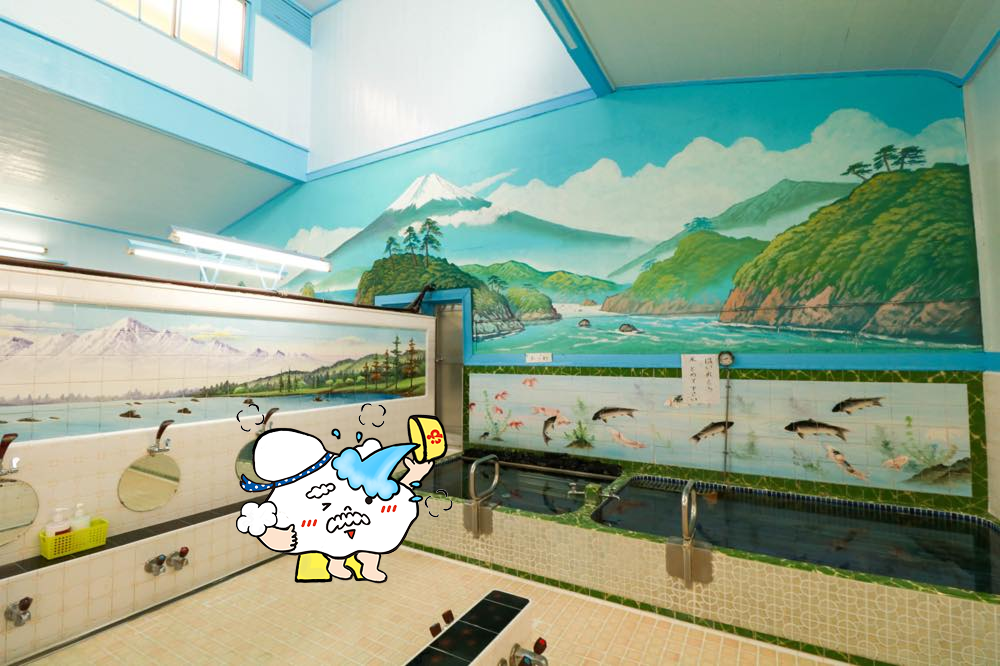
At the washing area, you sit on a chair and wash your body and hair. Use the shower close to your body, being careful not to splash water on the seat next to you. After using the bucket or chair, return it to its original position so that the next person can use it comfortably. Here, pour water over yourself to get your body used to the water temperature, which will make it easier to get into the bath.
How to enter the bath: rinse → enter quietly → avoid staying too long
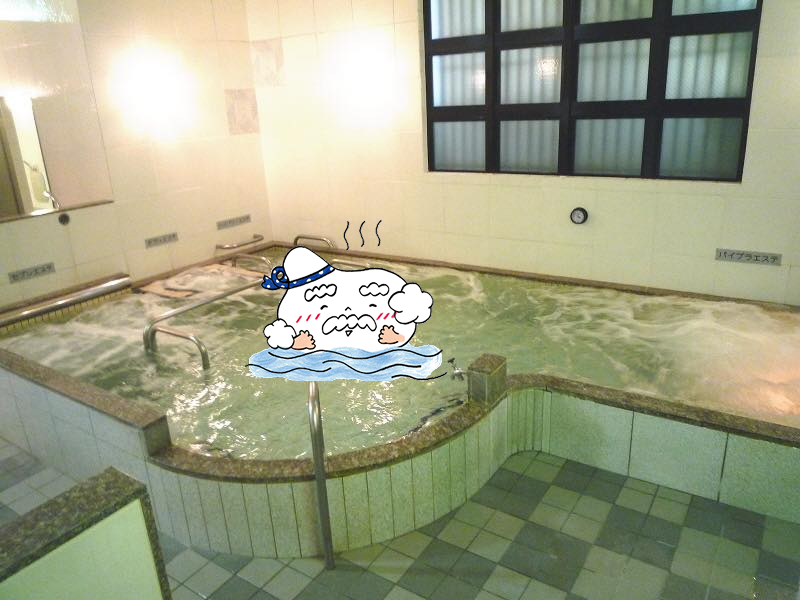
When entering the bath, enter quietly so as not to disturb those who have entered before you. The basic rule is not to put towels in the bath or place them on the edge. Keep conversations to a low voice, and when it is crowded, avoid holding a spot for a long time and be considerate to others so that everyone can enjoy their time. If you get hot easily, it is safer to break up your bathing into several short bursts.
Mini-guide for sauna and cold bath users
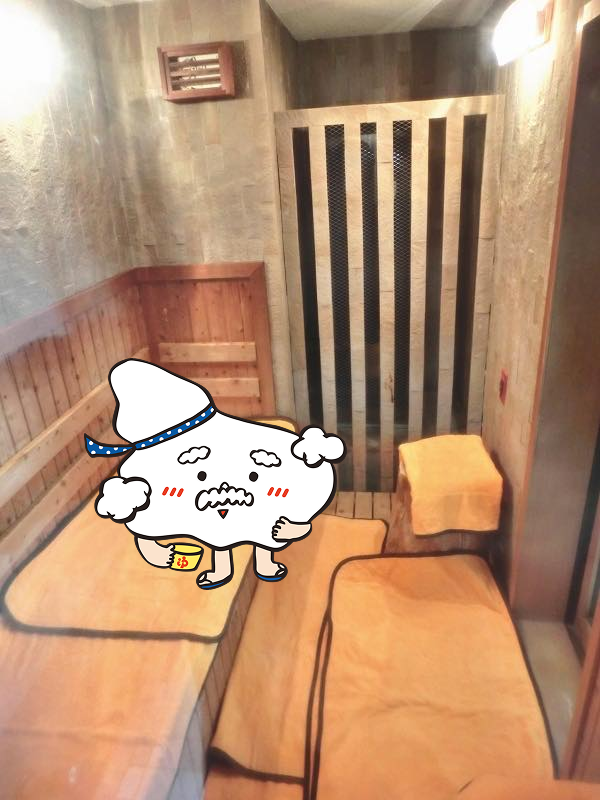
The trick is to stay in the sauna for a short time, starting from 6-8 minutes, without overdoing it. After washing off the sweat, jump into the cold water bath and aim for 30-60 seconds. After that, rest in a cool place for 5-10 minutes to calm your body. Repeat this 2-3 times and you’ll feel fully refreshed. If you feel any discomfort, stop immediately.
Facility manners: quietness, cleanliness, and courtesy
Photography is prohibited in changing rooms and bathrooms. Please be quiet and do not run, shout, or occupy a seat or space for long periods of time with personal belongings. Be careful not to let soap or hair from the washing area fly around, and leaving the area tidy after using it will leave a good impression. Be sure to follow any posted rules or instructions from staff.
Tattoo policy
The public baths introduced on this website are tattoo-friendly, but if you intentionally flaunt your tattoos in a way that intimidates or threatens others, the bathhouse will, at its discretion, refuse you further entry.
Finishing up: drying off and hydration
Before leaving the washing area and going to the changing room, rinse your body lightly in the shower. Then, dry off any excess water with a towel or bath towel. Hair dryers are often coin-operated, so be sure to take turns using them and use them for a short time. After bathing, don’t forget to hydrate, and slowly cool down your body temperature in the fresh air, which will make your return journey easier.
Helpful phrases when in doubt
“I’m new here. Could you show me how to use this?” “Can I buy a towel here?” “Do you accept cashless payment?” “Where is the coin-operated dryer?” “It’s my first time. Do you have a recommended flow?”
Summary: follow the flow—shoe locker → ticket machine → front desk → washing area → bath
First, follow the shoe locker → (ticket machine) → front desk flow, then sit down and wash your body before entering the bath, then enter quietly. If you follow the basics, you won’t get lost even if it’s your first time. Bring only the bare necessities and some coins with you to feel safe. If you follow the posted rules and the staff’s guidance, and keep quiet, clean, and considerate of others, you’ll be able to enjoy the benefits of a Japanese public bath in comfort.
Keeping each cycle short and pleasant—“sauna → cold bath → rest”—is the fastest way to a successful experience. For beginners, aim for 6–8 minutes in the sauna → rinse → 30–60 seconds in the cold bath → 5–10 minutes of rest as one set. Do 2–3 sets depending on how you feel. More than the number of rounds, prioritize ending while it still feels good, which greatly increases satisfaction.
Basic Flow
The standard method is one set of sauna → rinse → cold bath → rest. Before entering the sauna, wash your body and hair, and take a small sip of water. Inside the sauna, breathe slowly and deeply; decide your exit timing based on how your heartbeat changes rather than how “hot” it feels. Upon leaving, rinse your sweat off with a shower before entering the cold bath. The cold bath is not a place to “withstand suffering,” but to regain calm. Afterward, rest on a bench or cool spot for 5–10 minutes until your breathing and heartbeat settle.
Recommended Time & Temperature
Always start shorter than you think.
Sauna: 6–8 minutes at first. Even once accustomed, cap it at 10–12 minutes. Lower seats are cooler; mid-to-lower levels are safest for beginners.
Cold bath: 30–60 seconds is enough. If too cold, enter gradually—hands → feet → waist → shoulders.
Rest: 5–10 minutes. If you feel dizzy, extend the rest or stop entirely.
Breathing & Posture
Use “inhale through the nose, exhale long through the mouth.”
Sauna: Lean back lightly, relax shoulders, and lengthen your exhale to calm your pulse.
Cold bath: Keep your chest open and breathe gently—don’t hunch your shoulders.
Rest: Sit with your legs slightly forward to stabilize blood flow.
Hydration & Cool Down
Small, frequent sips are key. Aim for 200–400 ml total, with a sip before bathing, a sip after each set, and a cup after finishing. Electrolyte drinks help if you sweat heavily.
Etiquette
Quietness and sharing the space respectfully make the experience better for everyone.
Sit quietly in the sauna; keep conversations minimal.
Follow posted rules for löyly or towel use.
Always rinse before entering the cold bath.
Avoid long stays in one spot; share benches and pathways.
Sauna Tips
Use seat height and airflow to your advantage.
Start on the lower or middle bench; move up only when accustomed.
On intense heat days, sit near the door or away from the heater.
Avoid staring at the clock—leave before it becomes too much.
Cold Bath Tips
“Enter slowly, then stay still” is the most effective method.
Enter gradually—hands → feet → knees → waist → shoulders.
Once submerged, stay still and focus on breathing; a thin warm layer forms around the skin.
Leave before chattering teeth or strong shivering begins.
Rest Time (Outdoor or Indoor)
This is the moment your body “comes back.”
Choose outdoor air when available; otherwise, a quiet indoor spot is fine.
Lightly pat dry, cool your neck and chest, and settle into slow breathing.
If you feel dizzy, overheated, or spaced out, stop for the day.
Health & Safety Checklist
If you feel even slightly unsure, choose “shorter, fewer, earlier”—this is the correct choice for beginners.
Avoid saunas when:
You’ve been drinking alcohol
You’re sleep-deprived
Right after eating
Stop immediately if you feel chest pressure, headache, dizziness, or nausea. If you have a medical condition, are pregnant, or taking medication, consult a doctor. Avoid sauna when you have fresh tattoos, inflammation, or wounds.
How to Navigate Crowded Times
Keep each set short.
Rotate in small groups if visiting with friends.
Avoid creating bottlenecks around the sauna, cold bath, or rest area.
Summary
“Short, quiet, and pleasant” is the beginner’s mantra. Run the sauna → cold bath → rest routine briefly, maintain calm breathing and posture, and follow quiet etiquette. End with a bit of “wanting more,” and the post-sauna lightness will last longer—making you eager to return again.
Conclusion|“Bring Only the Essentials” + “Check the Signs and Ask at the Front Desk” Is the Smartest Approach
Point: Amenities and payment methods vary by sento, so checking the price board and payment icons at the entrance, then asking the front desk if something is unclear, is the most reliable method. Dryers and massage chairs are often cash-only (100-yen coins), so carrying a few coins offers peace of mind.
What to Bring, Buy, or Rent
Point: You can visit with almost nothing, but there are simple tricks to stay light while keeping comfortable.
Face towel: Recommended to bring. Lightweight and highly absorbent.
Bath towel: To reduce luggage, many sento offer rental or purchase options.
Shampoo & body wash: Often provided, but those with sensitive skin may prefer to bring their usual products in small containers.
Disposable items (razor, toothbrush, etc.): Often sold at the front desk; buy only if needed.
Hair dryer: Usually coin-operated (100 yen for 3–5 minutes). Most are cash-only, so prepare coins.
Cashless Payments|Front Desk and In-house Equipment Use Different Systems
Point: Admission and amenity payments increasingly support cashless options, but in-house equipment remains mostly cash-only.
Front desk: More sento now accept credit cards, IC transit cards, and QR payments.
Equipment: Dryers, vending machines, and massage chairs are typically coin-only.
The safest combination is cashless for admission + a few 100-yen coins for equipment.
Travel Style Tips|How to Stay Lightweight
Point: Adjust what you bring, rent, or buy based on your itinerary and skin needs.
From your hotel: Bring only a face towel; supplement with on-site rentals or purchases.
During sightseeing: Carry one quick-dry towel and use rentals as needed.
Sensitive skin: Bring your usual mild soap/shampoo in small containers.
Long hair / quick exit: Bring a hair tie + quick-dry towel; keep dryer use short.
Mini Etiquette Guide for First-Time Visitors
Point: Sit while washing, rinse before entering, and keep conversations quiet — these three basics help you blend in naturally.
Sit on the stool when washing; avoid splashing others.
Rinse your body before entering the bath; keep towels out of the water.
Keep conversations soft and brief. Avoid long stays in the bathtub and refrain from smartphone use.
Follow posted rules and instructions for a stress-free experience.
Useful Phrases at the Front Desk (in Japanese)
Point: Simple and polite questions make interactions smooth.
「タオルは買えますか?」 — Can I buy a towel?
「バスタオルのレンタルはありますか?」 — Do you have bath towel rentals?
「クレジットカードやICカードは使えますか?」 — Can I use credit or IC cards?
「コイン式ドライヤーはどこですか?」 — Where is the coin-operated dryer?
「シャンプーはどこで買えますか?」 — Where can I buy shampoo?
Summary|“Bring a Little + Check On-site + Carry Some Coins” for a Smooth Experience
Point: Instead of over-preparing, adapting on-site leads to an easier and more enjoyable visit.
Because facilities differ, the fastest process is: check entrance signs → ask the front desk → buy/rent only what you need.
Even where cashless payment is available, carrying a few 100-yen coins ensures you’re prepared. With minimal items, basic manners, and simple communication, even first-time visitors can fully enjoy a relaxing bath experience in Shinjuku.
1. Origins: From Temple Bath Halls and Charity Bathing to Communal Bath Culture
The roots of sento lie in temple bath halls (yokudō) and charitable bathing (seyoku) that were offered to the public. From the Nara to Heian periods, bathing served both religious training and acts of compassion, gradually spreading from temples to the general population, especially in urban centers.
By the Edo period, town-based public bathhouses called yuya emerged and bathing became part of daily life. In wooden towns prone to fire, it was difficult for ordinary homes to have private baths, making public bathhouses a rational choice for hygiene and safety.
A yuya served not only as a place to cleanse the body but also as a social hub for conversation and information exchange — an early form of “bath as a community hub.”
2. Sento in Shinjuku: Postwar Recovery to the Height of Economic Growth
After the war, housing shortages and population concentration led to numerous sento built within walking distance in many Tokyo neighborhoods. Shinjuku was no exception — for residents of wooden apartments and row houses, the sento functioned as the “living room of the town.”
During Japan’s rapid economic growth (1960s), Tokyo’s public bathhouses reached their peak. In 1968 (Showa 43), the city counted roughly 2,700 sento.
Architectural features like shrine-style facades, painted Mt. Fuji murals, and large chimneys became iconic and deeply rooted in local culture.
3. The Era of Decline: Private Baths and Urban Redevelopment
From the 1970s onward, private bathrooms became standard in homes, and the number of sento gradually declined. Improved home facilities, rising fuel costs, aging buildings, and redevelopment all contributed to long-term reduction.
However, a new lifestyle trend emerged: even people with baths at home chose to visit public bathhouses. Sento shifted from a “necessity” to a “preference.”
4. Today: A Smaller but Stronger Network — New Reasons to Visit
In present-day Shinjuku, the number of sento is smaller, yet each continues to function as an important local anchor. Clear information on hours, amenities, and multilingual guidance make them accessible even for first-time visitors.
Upgrades such as modern boilers, improved lighting and circulation in dressing rooms, and barrier-free renovations help balance comfort with sustainability.
With an increase in tourists and international visitors, sento now play a new role as warm, cross-cultural spaces connecting Shinjuku with the world.
5. The Essence of Shinjuku: Connecting the “Temperature Layers” of a Multilayered City
Shinjuku is a mosaic of offices, residences, eateries, nightlife, and tourism. In this layered urban landscape, sento act as reset spots — a place to unwind between work, study, or evening plans.
These baths welcome a wide range of people, creating a relaxed, communal atmosphere where differences in age and background dissolve through shared experience.
The openness of bathing together eases the anonymity of big-city life, fostering a gentle sense of connection.
6. The Future: Preserving Heritage While Embracing Modern Updates
Traditional features like shrine-style exteriors and painted bath murals are cultural assets that should be preserved. At the same time, modern updates — environmental efficiency, cashless payment options, enhanced saunas and lounge spaces — are increasingly essential.
By working with local communities to ensure clear guidance and comfortable environments for children, seniors, and travelers alike, sento can continue to thrive as “the living room of the city.